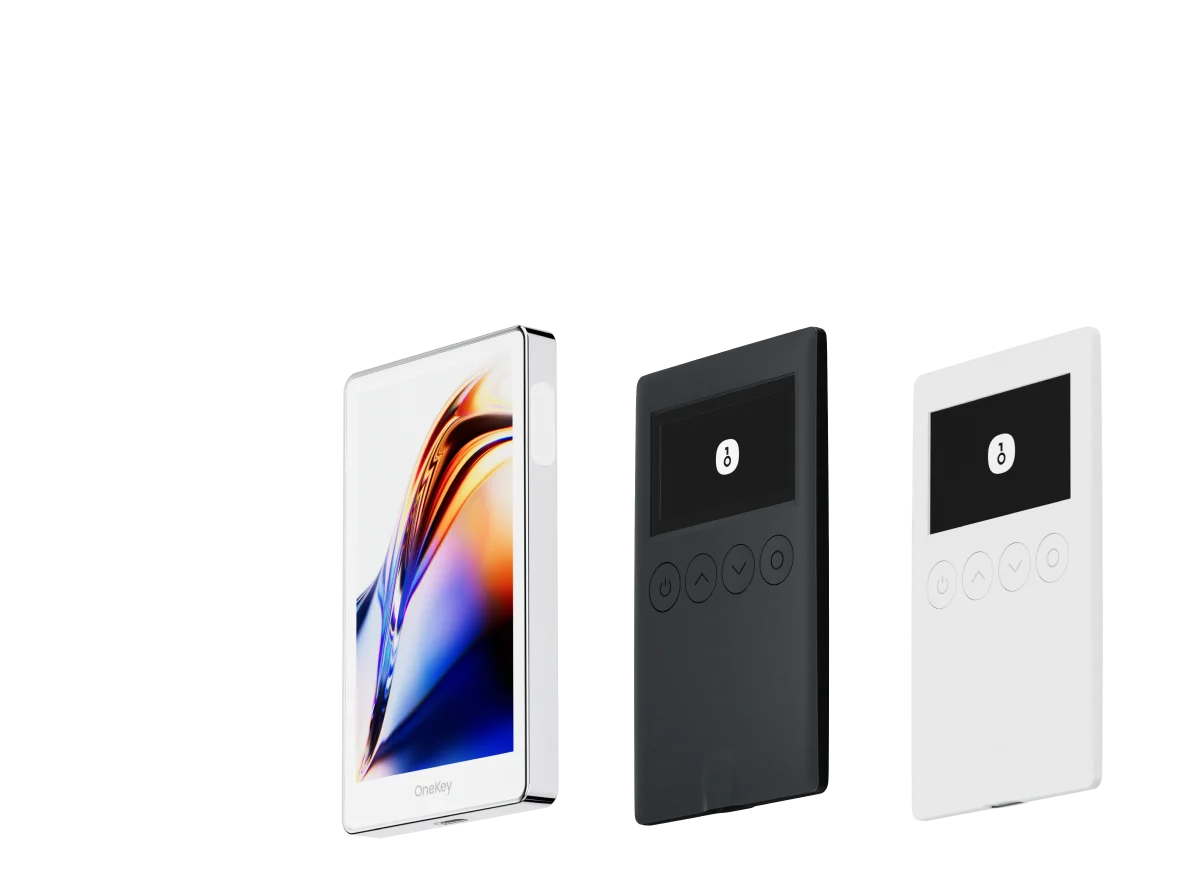
Best No-KYC Perps Wallet for EU Traders
The EU’s MiCA framework has raised the compliance bar for crypto-asset service providers, especially around licensing and KYC. But for EU traders who care about self-custody and privacy, there is still a practical way to access on-chain perpetuals: use a self-custodial wallet and connect directly to decentralized perps protocols. Source: Revoke.cash. Source: OneKey GitHub. Source: ESMA crypto-assets.
This guide explains how no-KYC perps trading typically works for EU users, what to look for in a wallet, and why OneKey is a practical choice for managing assets and trading perps from one interface.
Key comparison table
The legal starting point for no-KYC trading in the EU
A key distinction matters: under MiCA, the main obligations apply to crypto-asset service providers, not individual wallet users. At the time of writing, EU users are not directly prohibited by the MiCA text from using a self-custodial wallet to access decentralized protocols.
In practice, the no-KYC trading flow for many EU users looks like this:
- Buy crypto through a licensed exchange and complete KYC there.
- Withdraw assets to a self-custodial wallet.
- Connect the wallet directly to an on-chain perps protocol.
- Keep profits on-chain or withdraw back to a licensed exchange account.
The fiat on-ramp and off-ramp usually require KYC. The trading step itself, when done through a self-custodial wallet and decentralized protocol, does not usually require handing custody to a centralized platform.
This does not remove tax obligations or local compliance requirements. EU member states differ in how they tax and regulate crypto activity, so traders should understand the rules where they live.
What EU traders should look for in a perps wallet
A good no-KYC perps wallet should do more than hold tokens. For active traders, the key criteria are:
- True self-custody: you control the private keys and the wallet provider cannot move your funds.
- Strong security model: support for hardware wallets, clear signing prompts, and protection against phishing matter when trading with leverage.
- Multi-chain support: perps liquidity is spread across networks such as Ethereum, Arbitrum, Solana, Starknet, and app-specific chains.
- Protocol compatibility: the wallet should work smoothly with major decentralized perps platforms via standard Web3 connections.
- Built-in trading workflow: being able to view positions, funding, PnL, and orders without jumping between risky third-party sites is a major usability advantage.
- Open-source transparency: open code helps users and the wider community review how the wallet works.
OneKey Wallet: a practical choice for EU perps traders
OneKey is a self-custodial crypto wallet with open-source software and hardware wallet support. For EU traders looking for a no-KYC perps workflow, it offers a strong combination of custody, security, and trading access.
Why OneKey fits this use case
Full self-custody
With OneKey, users control their private keys. OneKey does not custody user assets, which means you are not depositing funds into a centralized trading venue just to access perps.
Hardware wallet support
For larger balances or more frequent trading, a OneKey hardware wallet adds a physical security layer by keeping private keys isolated from your phone or computer.
Multi-chain compatibility
OneKey supports major ecosystems used by DeFi and perps traders, including Ethereum, Arbitrum, Solana, Starknet, and other popular networks.
Built-in OneKey Perps
OneKey Perps lets users access on-chain perpetuals from inside the OneKey experience. Instead of managing a wallet in one app and trading in multiple browser tabs, you can keep the workflow more contained.
What you can do with OneKey Perps
OneKey Perps is designed to make decentralized perps trading easier without giving up self-custody. Within the OneKey interface, users can:
- Connect to major decentralized perps venues such as Hyperliquid and other supported protocols.
- Track positions, PnL, and funding rates in real time.
- Trade without transferring assets to a centralized custodian.
- Sign transactions directly from their own wallet.
- Use standard Web3 connection methods where supported by the protocol.
Protocols such as dYdX and GMX are built around Web3 wallet connectivity. OneKey works as a standard self-custodial wallet, so EU traders can use it as the wallet layer for compatible decentralized perps platforms.
Access to no-KYC perps protocols in the EU
Access can change over time. Some protocols may restrict front-end availability by region, update their terms, or adjust access based on regulatory pressure.
Before trading, EU users should check:
- whether the protocol front end is available in their country;
- whether the protocol’s terms restrict their location;
- which chain and collateral assets are supported;
- liquidity, funding rates, and liquidation rules;
- whether the protocol has a history of audits and active security monitoring.
No-KYC access should not be confused with no-risk access. Perps are leveraged instruments, and decentralized execution does not remove market risk, liquidation risk, smart contract risk, or tax reporting duties.
How EU traders can use OneKey for perps
A typical workflow looks like this:
-
Download OneKey
Go to the official OneKey website at onekey.so and choose the version for your device: iOS, Android, or desktop. -
Create or import a wallet
Generate a new recovery phrase and back it up offline, or import an existing wallet. Never store your recovery phrase in cloud notes, screenshots, or chat apps. -
Set up the required networks
Add or enable the networks you plan to use, such as Arbitrum, Ethereum, or networks required by your chosen perps protocol. -
Fund the wallet
Withdraw assets such as USDC or ETH from a licensed exchange to your OneKey wallet address. Double-check the chain before sending. -
Open OneKey Perps or connect via Web3
Use OneKey Perps where available, or connect to a supported decentralized perps protocol through WalletConnect docs or another standard wallet connection method. -
Place trades carefully
Choose the market, set leverage, review margin requirements, and confirm the transaction in OneKey. Every trade or approval should be reviewed before signing.
Security checklist for no-KYC perps trading
When using self-custody, security is your responsibility. Follow these basics:
- Download OneKey only from the official site: onekey.so.
- Back up your recovery phrase offline and never type it into any website or app.
- Verify contract addresses and URLs before connecting your wallet.
- Watch out for fake perps front ends, phishing ads, and malicious token approvals.
- Regularly review and revoke unnecessary token allowances using tools such as Revoke.cash.
- Consider using a OneKey hardware wallet for larger balances.
- Start with small amounts when testing a new protocol or network.
FAQ
Q1: Is it legal for EU users to access Hyperliquid?
Hyperliquid is a decentralized protocol. EU users accessing smart contracts through a self-custodial wallet are not directly prohibited by MiCA at the time of writing. However, users are still responsible for complying with local laws, tax rules, and any applicable protocol terms. Regulatory positions can change, so it is worth following updates from EU and national authorities.
Q2: Does OneKey have restrictions for EU users?
OneKey is a self-custodial software and hardware wallet. It does not take custody of user assets or provide centralized exchange services. EU users can use OneKey to manage their own crypto assets, subject to their local laws and responsibilities.
Q3: Do no-KYC perps trades need to be reported for tax?
Yes. Self-custody and no-KYC trading do not remove tax obligations. Crypto gains, losses, income, and derivatives activity may need to be reported depending on your country. Germany, France, Spain, Italy, the Netherlands, and other EU member states have different rules, so consult a local tax professional if needed.
Q4: What if a perps protocol blocks my IP address?
Some protocols may restrict front-end access in certain regions. In some cases, advanced users can interact directly with smart contracts, but this requires technical knowledge and may conflict with the protocol’s terms. Alternative community front ends may also exist, but they carry additional phishing and security risks. Always evaluate the risks before connecting your wallet.
Q5: Is a OneKey hardware wallet worth it?
If you hold a meaningful amount of crypto or trade perps frequently, a hardware wallet can reduce the risk of malware, browser attacks, and private key exposure. For small test amounts, the OneKey software wallet may be enough, but larger balances deserve stronger protection.
Conclusion: self-custody is the cleanest workflow for EU perps traders
MiCA has made centralized crypto services in the EU more regulated, but self-custodial access to decentralized protocols remains a practical route for traders who want privacy and control. The key is using a wallet that gives you strong custody, broad chain support, and a safer trading workflow.
OneKey combines self-custody, open-source transparency, hardware wallet support, and OneKey Perps in one setup. For EU traders looking for a no-KYC perps wallet, it is a practical place to start.
Download OneKey from the official website and try OneKey Perps with a small amount first so you can understand the workflow and risks before scaling up.
Risk warning: This article is for informational purposes only and is not legal, tax, or financial advice. Perpetual futures involve leverage and can lead to rapid losses, including losses greater than your initial margin depending on the venue and market conditions. EU rules vary by member state and may change. Always do your own research and consult a qualified professional where appropriate.