FinCEN Guidance for Self-Hosted Wallet Users
Self-hosted wallets — often called unhosted wallets or self-custody wallets — occupy a unique place in the U.S. regulatory framework. They are not regulated money services businesses by default, but they remain within the scope of FinCEN’s attention because they are used to move digital assets. Source: OneKey GitHub.
This guide breaks down the key FinCEN concepts that matter for self-custody users, explains where the compliance boundaries generally sit, and shows how a wallet like OneKey can help users maintain control while staying reasonably cautious.
Key comparison table
What Is FinCEN, and Why Does It Care About Crypto Wallets?
FinCEN, the Financial Crimes Enforcement Network, is a bureau of the U.S. Department of the Treasury. Its core role is to combat money laundering, terrorist financing, and other financial crimes.
Under the Bank Secrecy Act (BSA), FinCEN requires regulated entities to follow compliance processes such as:
- KYC, or Know Your Customer checks
- CTRs, or Currency Transaction Reports
- SARs, or Suspicious Activity Reports
As crypto adoption grew, FinCEN began applying the concept of a “money services business” (MSB) to certain digital asset business models. The key question for self-custody users is simple: does holding and using your own wallet make you an MSB?
FinCEN’s business model guidance makes an important distinction: an individual who holds and uses crypto only for their own transactions is generally treated as a user, not an MSB. That distinction is one of the most important protections for ordinary self-hosted wallet users.
The Boundary Between Self-Hosted Wallet Users and MSBs
FinCEN generally separates crypto participants into categories such as “users” and “exchangers” or “administrators.”
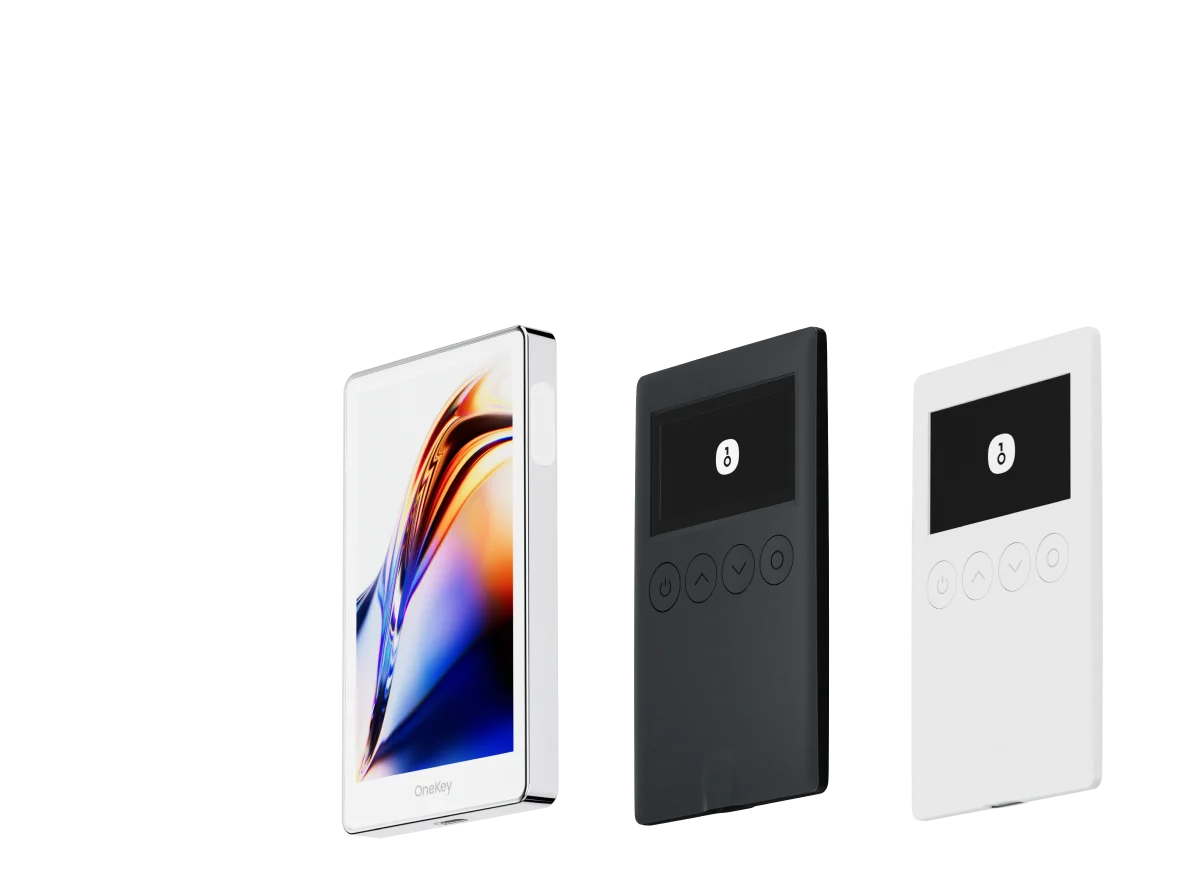
The practical takeaway: if you use a OneKey hardware wallet or OneKey software wallet to manage your own private keys and make personal transactions, you are generally acting as a user. In that role, you do not need to register as an MSB simply because you self-custody crypto, and you do not have an automatic obligation to report your personal wallet transactions directly to FinCEN.
That changes if you start operating a business that exchanges, transmits, administers, or provides custodial services for others. At that point, the analysis can become very different.
FinCEN’s 2020 Self-Hosted Wallet Proposal: A Risk Reminder
In December 2020, FinCEN proposed a rule that would have required exchanges and other regulated entities to collect identity information for certain transfers involving self-hosted wallets above USD 3,000, and to file reports for transfers above USD 10,000.
The proposal faced strong opposition from the crypto industry, civil liberties groups, and privacy advocates. It did not become a final rule.
Even so, the proposal matters because it showed where regulators may focus: large transfers, exchange-to-wallet flows, identity records, and the perceived risk of unhosted wallets.
Users should continue monitoring FinCEN’s official updates because regulatory positions can change.
Practical Obligations for Self-Custody Users
Even if a self-hosted wallet user is not an MSB, self-custody does not remove every legal or compliance obligation. U.S. users should pay attention to several areas.
Tax reporting
The IRS requires taxpayers to report crypto transactions, including capital gains and losses. Holding assets in a self-custody wallet does not exempt users from tax obligations.
Sanctions compliance
OFAC sanctions rules apply to U.S. persons, including people using self-hosted wallets. Sending assets to a sanctioned address can create serious legal risk.
Anti-money-laundering awareness
Individuals are not required to run a formal AML program for their own personal wallet activity. However, interacting with funds tied to hacks, scams, sanctions, or other illegal sources can still create legal and practical risk.
Privacy and Transparency on Public Blockchains
Public blockchains are transparent by design. On-chain transactions can often be traced, clustered, and analyzed. FinCEN and law enforcement agencies may use blockchain analytics tools, including tools from firms such as Chainalysis, to follow fund flows.
That does not mean users should avoid self-custody. It means users should understand how public-chain activity works and take basic precautions:
- Understand the source of funds you receive
- Avoid interacting with known illicit or sanctioned addresses
- Use reputable on-ramps and off-ramps
- Keep clean records for taxes and personal accounting
Research from blockchain analytics firms has consistently shown that most blockchain activity is legitimate. At the same time, regulators have become more capable of distinguishing ordinary users from illicit actors.
OneKey Wallet and Responsible Self-Custody
OneKey Wallet is built for users who want direct control over their assets while still using practical crypto workflows. Its open-source design allows users and developers to review code and verify that the wallet is not relying on hidden backdoors.
For crypto and perps users, the key advantage is that OneKey supports self-custody while connecting to decentralized protocols. That means you can manage your own keys and still access markets without handing custody of your assets to a centralized platform.
OneKey Perps is the practical workflow for users who want to trade perpetual contracts from a self-custody-first environment. It lets users access perps while keeping wallet control at the center of the experience.
If you want a wallet that combines hardware security, self-custody, and access to decentralized trading, download OneKey and explore OneKey Perps. Treat it as a tool for maintaining control and managing risk — not as a shortcut around compliance or market risk.
FAQ
Q1: Does using a self-hosted wallet trigger FinCEN reporting obligations?
Generally, no. Under FinCEN’s business model guidance, an individual who holds and uses crypto for personal purposes is not an MSB solely because they use a self-hosted wallet. That means they do not need to register with FinCEN or proactively submit reports for personal wallet activity.
However, regulated entities such as exchanges may apply their own compliance procedures when you withdraw to or deposit from a self-hosted wallet.
Q2: What information might an exchange record when I withdraw to a OneKey wallet?
Depending on FinCEN’s Travel Rule requirements, the exchange’s internal policies, and the size or nature of the transaction, an exchange may record information about the transfer or ask for additional details about the destination wallet.
Requirements vary by platform, jurisdiction, and transaction context.
Q3: Did FinCEN’s 2020 self-hosted wallet proposal become law?
No. The 2020 proposal did not become a final rule. Still, the regulatory environment continues to evolve, so users should check official FinCEN announcements for current requirements.
Q4: Do U.S. users need KYC to use a decentralized exchange?
Many DEX protocols do not require KYC at the protocol level. But if you acquire crypto through a regulated fiat on-ramp or centralized exchange before moving funds to a DEX, you may already have completed KYC at the on-ramp stage.
Regulatory treatment of DEX activity continues to evolve, and users should follow relevant updates from agencies such as the CFTC and SEC.
Q5: How can self-hosted wallet users reduce the risk of interacting with sanctioned addresses?
Users can check OFAC sanctions resources, use address screening tools where available, and verify the source of counterparty addresses before transacting. These steps do not eliminate all risk, but they can reduce the chance of accidental interaction with high-risk addresses.
Conclusion: Know the Boundary, Keep Control
FinCEN guidance gives self-hosted wallet users an important boundary: personal self-custody is not the same as operating a regulated money services business. Understanding that boundary is a key part of holding and using crypto responsibly in the U.S. regulatory environment.
If you want a security-focused wallet with self-custody and decentralized trading access, OneKey Wallet and OneKey Perps offer a practical setup: manage your own keys, keep control of your assets, and access perpetual markets without relying on a centralized custodian.
Risk warning: This article is for informational purposes only and is not legal, tax, or financial advice. Crypto regulations vary by jurisdiction and may change at any time. Consult a qualified legal or tax professional before making compliance or financial decisions. Crypto trading involves significant risk, including the possible loss of your entire investment.