HTX Will List WALLI (Wallitelli) Tomorrow at 15:00, Alongside WALLI/USDT (10x) Isolated Margin Trading
HTX Will List WALLI (Wallitelli) Tomorrow at 15:00, Alongside WALLI/USDT (10x) Isolated Margin Trading
HTX is adding another AI + crypto data point to its new listings pipeline: WALLI (Wallitelli). Beyond the spot market, the rollout is also drawing attention because multiple market trackers report that HTX will simultaneously enable a 10x isolated margin option for the WALLI/USDT pair—an upgrade that typically amplifies both liquidity and risk for a newly listed asset.
Below is a practical, security-first guide to what’s happening, why Wallitelli fits the 2025–2026 “wallet intelligence” trend, and what to verify before you deposit, trade, or withdraw.
Key timeline (GMT+8) — confirmed listing milestones
HTX published two related notices: an initial listing post with deposit/withdraw timings, and a follow-up trading notice with a specific spot start time.
- Deposits open: May 27, 2026, 17:00 (GMT+8) — via HTX’s listing notice in the Innovation Zone (official notice)
- Spot trading opens (WALLI/USDT) + grid trading: May 28, 2026, 15:00 (UTC+8) — via HTX’s trading-time notice (official notice)
- Reference: 15:00 (UTC+8) = 07:00 (UTC) ≈ 03:00 (US Eastern, ET) (time conversion may vary by daylight saving rules; always confirm in-app)
- Withdrawals open: May 29, 2026, 15:00 (GMT+8) — per the Innovation Zone listing notice (official notice)
About “10x isolated margin”: HTX’s spot notices above focus on spot + grid. Some industry coverage also states HTX will add WALLI/USDT (10x) isolated margin at May 28, 15:00 (GMT+8)—treat that as “verify before you trade” information and check the Margin interface for the final availability and parameters (market coverage reference).
What is Wallitelli (WALLI), and why is it being noticed now?
Wallitelli positions itself as an AI-powered wallet awareness / onchain intelligence layer: instead of asking users to watch dashboards all day, it aims to translate wallet activity into daily, human-readable snapshots—with an emphasis on privacy-first, address-only analysis and early detection of risk and exposure (Wallitelli official site).
This direction is not random. In 2025–2026, user demand is shifting from “more tokens” to better decision tooling:
- More chains, more bridges, more DeFi venues → fragmented exposure becomes hard to track manually.
- Volatility + leverage products → liquidation and depeg risk can emerge quickly.
- “Agentic” workflows and automation narratives → users increasingly want continuous monitoring, not occasional check-ins.
For a second perspective outside the project’s own site, Wallitelli is also indexed in the BNB Chain ecosystem directory, describing it as a wallet awareness layer that turns raw onchain data into clearer intelligence (BNB Chain DappBay entry).
Chain and contract details: avoid ticker confusion
HTX’s listing materials specify a BEP-20 contract for WALLI on BNB Smart Chain:
- Contract (BEP-20):
0xc6A031fd206C72c614dB391590F48a5Ed9B2f9dC(HTX listing notice)
Because WALLI is a short ticker, name collisions and counterfeit tokens can happen—especially around exchange listings. Before interacting with any dApp, deposit address, or “airdrop” page:
- Verify the contract on a blockchain explorer such as the token’s page on BscScan (BscScan token page)
- Cross-check basic references (project site, exchange notice, explorer contract) rather than trusting social posts.
For market-wide reference pages (which may update quickly during listings), you can also monitor the token profile on major data aggregators (CoinMarketCap: Wallitelli (WALLI)).
Why HTX listings + margin matter for early price behavior
A spot listing alone increases accessibility. Adding grid trading and (potentially) isolated margin changes the microstructure:
-
Arbitrage constraints before withdrawals
When deposits are open but withdrawals are not (or are delayed), cross-venue arbitrage can be limited. That can widen spreads and increase slippage during early trading windows. HTX’s schedule shows withdrawals only open on May 29, 2026 (HTX listing notice). -
Grid trading can amplify volatility strategies
Grid bots often thrive in choppy markets, but newly listed assets may experience one-sided spikes. If you’re using automation, consider tighter guardrails and smaller sizing until liquidity stabilizes. -
Isolated margin (10x) can accelerate liquidations
10x leverage means small adverse moves can liquidate collateral quickly. “Isolated” helps contain the loss to that position’s margin, but it does not make the trade low-risk. If you need a refresher on mechanics, see a neutral explainer of isolated margin concepts (CoinMarketCap glossary: Isolated Margin) and a broader comparison with cross margin (Cross vs Isolated Margin guide).
A risk checklist for trading a newly listed token (especially with leverage)
If you plan to trade WALLI around the HTX open:
1) Confirm the exact product you’re using
Spot, grid, and margin are different risk profiles. If the margin pair appears, confirm:
- Max leverage and borrow limits
- Interest rates / funding rules (if applicable)
- Liquidation calculations and maintenance margin thresholds
- Whether trading is enabled but borrowing is temporarily restricted (this happens on some venues during volatile launches)
2) Treat the first hours as a liquidity stress test
Early order books can be thin. Use limit orders when possible, and assume spreads may widen during sudden price discovery.
3) Don’t outsource verification to DMs
New listings attract impersonators. Basic phishing hygiene still works—especially “type the URL yourself” and “don’t click urgent links.” If you want an authoritative security refresher, CISA’s anti-phishing guidance is a solid baseline (Recognize and Report Phishing).
4) Plan your custody flow before you trade
If you intend to withdraw after May 29:
- Confirm HTX supports the network you intend to receive on (BEP-20 in this case)
- Do a small test withdrawal first
- Keep gas (BNB) available for onchain actions if you’ll move or swap assets afterward
Where OneKey fits: self-custody after withdrawals go live
Exchange listings are mainly about access and liquidity. But once withdrawals open, the conversation shifts to long-term custody and operational safety.
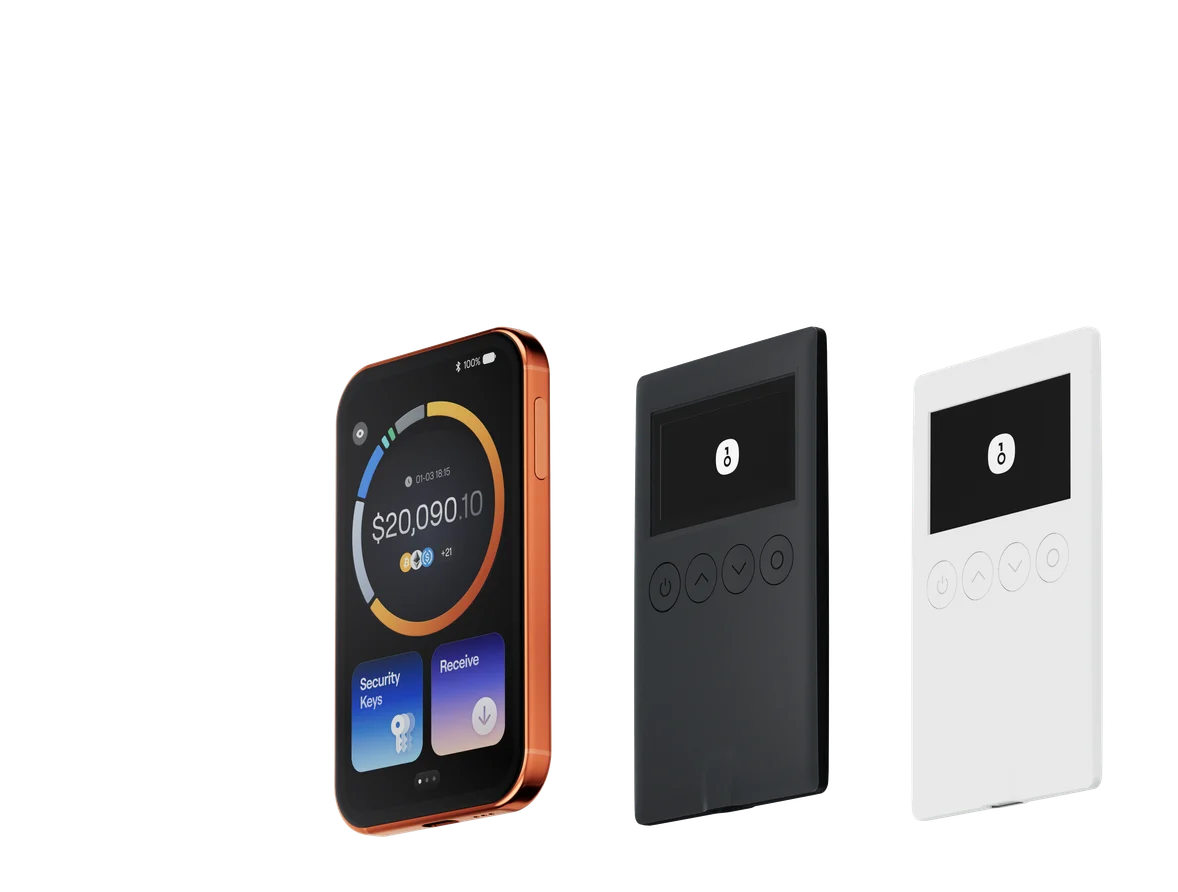
If you plan to hold WALLI beyond the initial trading window, a hardware wallet like OneKey can help by keeping private keys offline and supporting secure signing for onchain transactions—useful when interacting with new tokens, new dApps, and fast-moving narratives. A common best practice is to use a dedicated address for higher-risk interactions, while keeping long-term holdings in a more hardened setup.
(As always, verify chain support and token visibility in your wallet interface before moving larger amounts.)
Closing thoughts
WALLI’s listing on HTX is notable for two reasons: it adds exposure to a project framed around AI-driven onchain risk awareness, and it potentially arrives with 10x isolated margin—a combination that can attract both directional traders and volatility strategies.
If you participate, do the unglamorous work first: verify the contract, confirm the exact trading product, and respect the realities of new listing liquidity. In 2026’s market structure, risk management isn’t a separate step—it’s the product.
This article is for informational purposes only and does not constitute investment advice.