No-KYC Perps Access in Japan and South Korea in 2026
Japan and South Korea are two of Asia’s most mature crypto markets. They also have some of the clearest restrictions around no-KYC trading, especially for leveraged derivatives and perpetual futures.
For traders in these markets, using a DEX for no-KYC perps is not just a UX question. It comes with specific legal, banking, and compliance constraints. This guide explains the practical situation in 2026 and how to think about self-custody, wallet access, and OneKey Perps in a risk-aware way.
Key comparison table
Japan: one of the strictest crypto regimes globally
Japan’s Financial Services Agency (FSA) has built one of the most comprehensive crypto regulatory frameworks in the world. It is also one of the strictest.
Key points in Japan’s framework include:
- Any platform offering crypto exchange services to Japanese residents must register with the FSA as a Crypto Asset Exchange Service Provider.
- This requirement can apply to offshore platforms that are accessible to Japanese residents.
- Leveraged perpetual contracts are treated as financial derivatives under the Financial Instruments and Exchange Act (FIEA).
- Platforms offering leveraged derivatives to Japanese residents generally need to qualify as Type I Financial Instruments Business Operators.
The practical result is straightforward: most major no-KYC perp DEXs explicitly restrict Japan. Hyperliquid and dYdX, for example, list Japan as a restricted jurisdiction in their terms.
South Korea: a two-track regulatory system
South Korea’s crypto framework has also developed quickly. The Virtual Asset User Protection Act (VAUPA), passed in 2023, and follow-up rules implemented from 2024 onward have made the country’s crypto regulatory structure much more defined.
Key points in South Korea’s framework include:
- Virtual Asset Service Providers (VASPs) must register with the Korea Financial Intelligence Unit (KoFIU).
- Real-name bank accounts are required, tied to Korean identity verification.
- Access to offshore, unregistered platforms is subject to legal restrictions.
- The Financial Services Commission (FSC) has clear market-entry requirements for derivatives trading.
South Korea’s real-name account system is especially important. Even if a user interacts with a DEX, the funding path often starts from a centralized exchange withdrawal, which is usually linked to a verified bank account and identity. That means “no KYC” is hard to achieve across the full transaction path, even if the on-chain protocol itself does not ask for identity documents.
What access looks like in practice
For Japanese users, the main barriers are not limited to IP blocks. JPY on- and off-ramp costs, FX friction, and currency conversion limits can also make offshore DEX trading more expensive and less practical.
For South Korean users, the main issue is the connection between bank accounts and crypto activity. Since fiat rails are typically tied to real-name accounts, the funding trail may already be identity-linked before any on-chain trade happens.
Can users still access on-chain contracts?
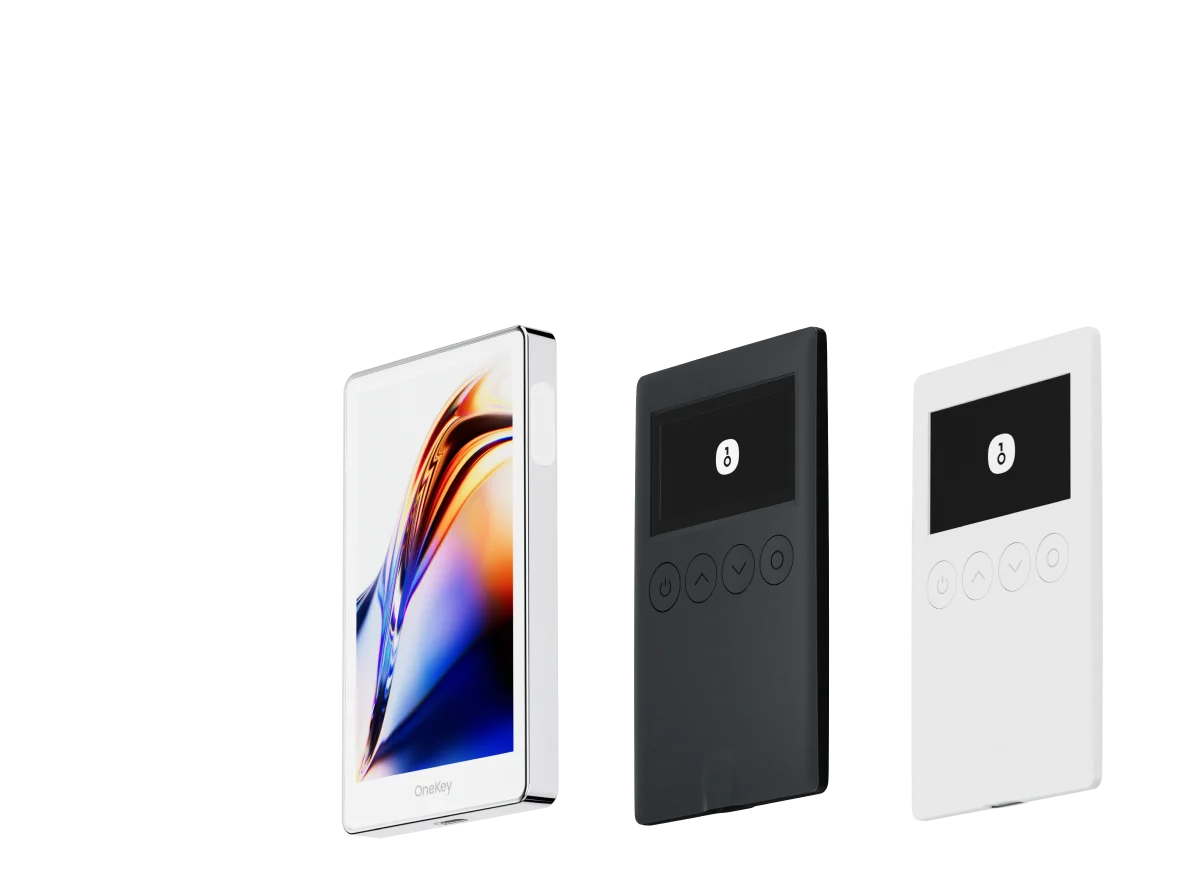
Technically, users in Japan and South Korea can use a non-custodial wallet such as OneKey Wallet to connect to on-chain smart contracts. OneKey’s open-source code is available on OneKey GitHub, which helps users verify its non-custodial design.
But “technically accessible” and “legally permitted” are not the same thing.
In Japan and South Korea, unregistered platforms offering services to local residents can create regulatory issues. For individual users, the legal treatment depends on specific conduct, transaction size, frequency, and local interpretation. The risk is real, particularly for leveraged derivatives.
Using OneKey Wallet compliantly in Japan and South Korea
OneKey Wallet is a non-custodial wallet. Using a self-custody wallet in Japan or South Korea is not the same as using an exchange or a regulated trading venue. Holding and managing your own crypto assets is generally treated differently from operating or accessing a trading service.
Users in Japan and South Korea can use OneKey for legitimate self-custody workflows such as:
- Managing and storing crypto assets such as BTC and ETH.
- Protecting private keys with a hardware wallet.
- Connecting to compliant DApps where local access is permitted.
- Participating in on-chain activities that are not restricted in their jurisdiction.
- Using WalletConnect docs with clearer session management and fewer wallet-connection risks.
OneKey Perps can be a practical workflow for users who are legally allowed to access supported perp markets from their location. It brings the trading experience closer to the wallet layer, so users can keep custody and avoid unnecessary exchange deposits. However, users in Japan and South Korea should verify whether the specific perps venue, market, or route is permitted for them before trading.
Compliant alternatives in Japan
Japan has several locally registered crypto asset exchange service providers, including bitFlyer, Coincheck, and SBI VC Trade. These platforms offer compliant crypto trading services, but derivatives availability and leverage are tightly limited by the FSA. In practice, leverage is usually far lower than what global no-KYC DEXs advertise.
That gap explains why some Japanese traders continue to look for offshore alternatives. But the regulatory restrictions are also the reason many global no-KYC perp venues block Japan.
Compliant alternatives in South Korea
South Korea’s registered VASPs include Upbit, Bithumb, and Coinone. These platforms operate under real-name registration requirements. Perpetual or derivatives-related products are subject to FSC rules, and leverage access is limited compared with many offshore markets.
South Korean authorities have also stated their intention to strengthen monitoring of offshore unregistered platforms, including cross-border crypto flows. That increases the compliance risk of funding offshore no-KYC venues through Korean banking rails.
FAQ
Q1: Has Japan’s FSA directly prosecuted individual users for using offshore no-KYC perp DEXs?
Publicly available information suggests the FSA’s enforcement focus has mainly been on unregistered platform operators rather than individual users. That does not mean individual users have no risk, especially if they trade large size or at high frequency.
Q2: Does South Korea’s real-name system cover every on-chain transaction?
Not directly. The real-name requirement mainly applies through bank accounts and registered VASPs. Pure on-chain peer-to-peer activity is not technically identity-checked in the same way. However, the source of funds is often tied to a CEX withdrawal, which may already be linked to a verified identity.
Q3: Is OneKey Wallet legal in Japan?
Yes. A non-custodial wallet is a self-custody tool, not a crypto asset exchange service. Using OneKey Wallet to manage assets is different from operating or using a regulated exchange service.
Q4: Do Japanese users have a legal route to high-leverage perps?
Compliant high-leverage perp access in Japan is extremely limited. The FSA has clear leverage restrictions, so legal high-leverage opportunities are far narrower than in the global offshore market.
Q5: Are Japan and South Korea likely to loosen crypto rules in 2026?
A major near-term loosening does not appear likely. Both countries are moving toward more complete regulatory frameworks, not less oversight. South Korea continues to refine VAUPA-related rules, while Japan’s FSA continues to develop its licensing framework for crypto service providers.
Conclusion: in strict markets, self-custody matters most
For traders in Japan and South Korea, the room for no-KYC perp trading is limited. The key takeaway is not to chase restricted venues, but to separate asset custody from trading access and understand the rules before interacting with any derivatives platform.
OneKey Wallet gives users a practical self-custody foundation: your keys stay with you, and you can connect to supported on-chain apps without handing custody to an exchange. Where legally available, OneKey Perps can also provide a cleaner wallet-native workflow for perps access.
If you want a safer self-custody setup, try or download OneKey Wallet and explore OneKey Perps only where access is permitted for your jurisdiction.
Risk notice
This article is not legal, tax, or investment advice. Crypto regulation in Japan and South Korea continues to change, and this information may not reflect the latest rules. Before trading crypto assets, especially derivatives, consult a qualified local legal professional.