Multi-Wallet OPSEC for Active No-KYC Traders

May 11, 2026

OPSEC — operational security — comes from the military and intelligence world. The core idea is simple: reduce the amount of critical information exposed, so an adversary cannot piece together your full operating pattern. Source: Hyperliquid. Source: FinCEN guidance.

For active crypto traders who prefer no-KYC workflows, OPSEC means using systematic wallet separation so different trading activities are not easily linked to the same real-world identity. This guide lays out a practical multi-wallet framework, from address roles to device isolation, to help separate on-chain behavior from personal identity.

Why a Single-Wallet Setup Is Bad OPSEC

Many traders use one wallet address for everything: CEX withdrawals, DEX trading, NFT purchases, governance, airdrops, and community interactions. It feels convenient, but it also gives blockchain analytics tools a clean, unified map of your assets and behavior.

Public blockchains are transparent by design. Every trade on venues such as Hyperliquid or dYdX leaves a permanent on-chain trail. Anyone with analytics tooling — regulators, competitors, data brokers, or malicious attackers — can review that address history.

If your CEX withdrawal address is the same address you use for DEX trading, your KYC-linked exchange account can become directly associated with your on-chain activity. At that point, the privacy benefit of no-KYC trading is largely lost.

A Layered OPSEC Wallet System

A serious multi-wallet OPSEC setup should include at least three functionally separate layers.

Wallet A: CEX Withdrawal Receiving Address

This wallet is used only to receive withdrawals from centralized exchanges.

Because it may be linked to exchange KYC records, treat it as a transit address, not an operational wallet. Once funds arrive, move them through an appropriate routing process instead of using this address for DApp interactions.

Do not trade, mint NFTs, vote, claim airdrops, or connect to random front ends from this wallet.

Wallet B: DEX Trading Address

This is your front-line wallet for day-to-day trading on platforms such as Hyperliquid, GMX, and other on-chain perps or DEX venues.

Funds should not move directly from Wallet A to Wallet B, because that creates an obvious on-chain link. Use a privacy-aware routing layer, compliant where applicable, before funding the trading wallet.

Wallet B should be used for trading only. It should not be your long-term storage wallet, identity wallet, NFT wallet, or community wallet.

Wallet C: Cold Storage Address

Wallet C is controlled by a hardware wallet and is used for long-term holdings and larger balances.

This wallet should never connect directly to DApp front ends. It should mainly receive profits, treasury funds, or reserves from Wallet B. Transfers require physical confirmation on the hardware device, which significantly reduces the chance of a remote attacker draining funds.

Address Reuse Is a Critical OPSEC Failure

On public chains such as Ethereum, every address reuse gives analytics systems more data points. ERC-20 transfers, approvals, NFT activity, bridge transactions, and DEX trades all create linkable patterns.

Practical rules:

  • Use a separate address for each wallet role. Do not mix roles.
  • Do not use your DEX trading address for NFT purchases, governance, public profiles, or community claims.
  • When withdrawing from a CEX, use different receiving sub-addresses where possible. Many hardware wallets support HD-derived accounts.
  • Keep public-facing addresses — for communities, projects, partnerships, or donations — completely separate from trading addresses.

The goal is not to become invisible. The goal is to avoid handing observers a single address that explains your entire financial life.

Device and Browser Isolation

Address separation is only the first layer. Device-level and browser-level separation matter as well.

If you manage several wallets from the same computer, same browser, and same extension environment, browser fingerprinting and extension behavior can still link those wallets to the same user.

Recommended practices:

  • Use separate browser profiles for different wallet roles, or separate devices for higher-risk setups.
  • Install only the relevant wallet extension in each browser profile.
  • Consider WalletConnect docs with a mobile wallet to further separate the signing environment from the browsing environment.
  • Do not log into personal social media, email, or messaging accounts on a device dedicated to trading.
  • Avoid mixing personal browsing and trading sessions in the same browser profile.

Wallet Role Overview

WalletMain purposeRisk profileRecommended use
Wallet ACEX withdrawal receiverKYC-linked or identity-linkedReceive funds only; avoid DApps
Wallet BDEX and perps tradingHot wallet, operational riskActive trading, limited balance
Wallet CCold storageLower online attack surfaceLong-term holdings, larger balances
Public walletCommunity or project-facing addressReputation-linkedPublic interactions only

This structure keeps identity-linked activity, active trading, and long-term custody in separate compartments.

Seed Phrase Security: Never Digitize It

MetaMask docs’s official guidance warns that a seed phrase stored in a computer file, screenshot, cloud note, email, or messaging app can be stolen. For OPSEC, the rule is strict: never digitize your seed phrase.

Follow these basics:

  • Store seed phrases only in physical form, such as paper or metal backup plates.
  • Keep at least two backups in separate secure locations.
  • Never type your seed phrase into an online tool, “wallet verification” page, or support form.
  • If a device is lost or stolen, assume the seed phrase or wallet environment may be compromised and move funds as soon as safely possible.
  • Manage seed phrases for different wallets separately. Treat each backup as high-value material.

OWASP phishing guidance documents many attacks using fake “wallet recovery” pages to steal seed phrases. These scams are especially common in Discord and Telegram communities.

OneKey as Core OPSEC Infrastructure

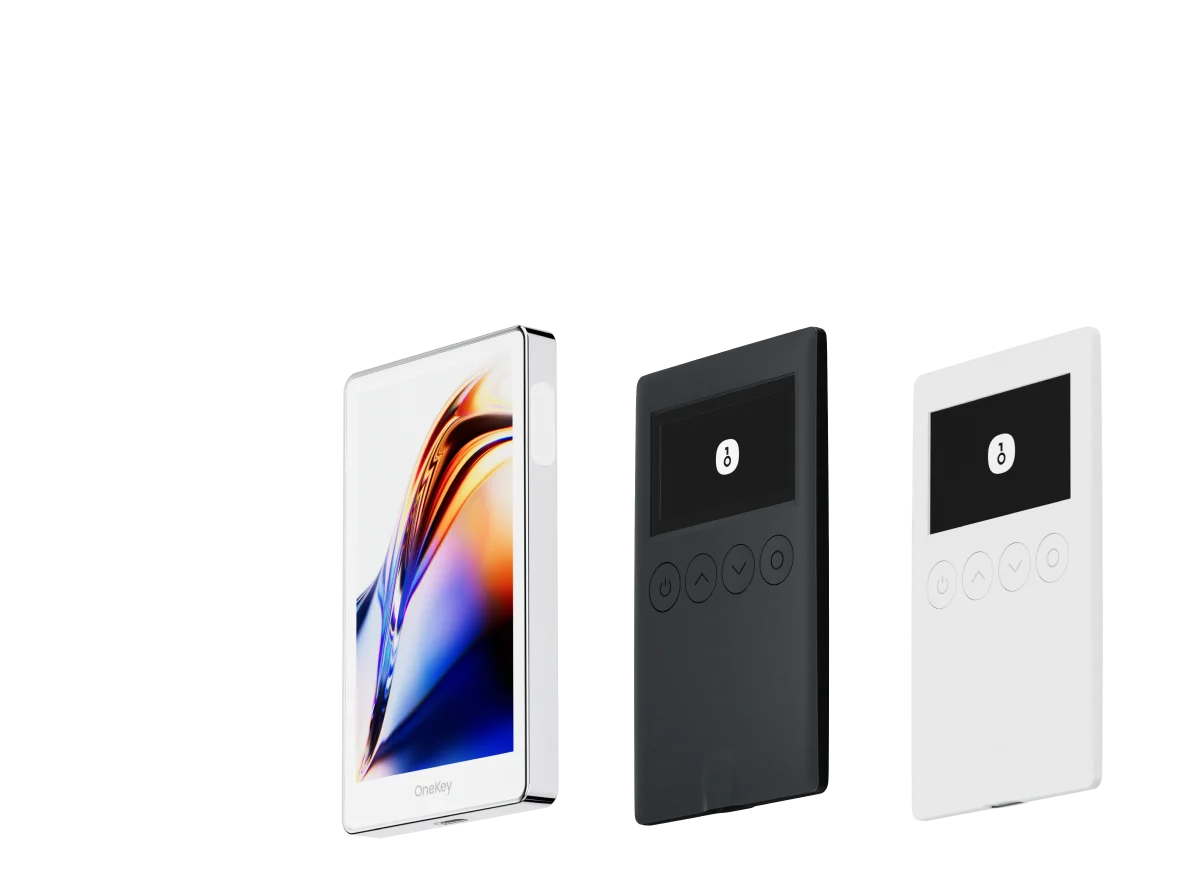
A hardware wallet is the right foundation for the cold-storage layer. OneKey hardware wallets are well suited for Wallet C because private keys remain isolated from internet-connected environments, transactions require physical confirmation, and multi-chain account management supports a layered address strategy.

For Wallet B, OneKey Perps provides access to no-KYC perpetuals trading without requiring KYC registration, helping reduce the direct connection between trading activity and real-world identity. The practical workflow is straightforward:

  1. Keep long-term funds in OneKey cold storage.
  2. Fund a separate trading wallet with only the amount you are prepared to use for active trading.
  3. Use OneKey Perps for perps access without turning your cold wallet into a hot wallet.
  4. Periodically move profits or unused balances back to cold storage, using disciplined address separation.

You can visit the OneKey website to explore the product lineup, download the OneKey app, and start building a cleaner OPSEC workflow. OneKey’s open-source code is also available for public review on GitHub.

FAQ

Q1: Is OPSEC only for people trying to hide illegal activity?

No. OPSEC is a basic privacy and security discipline for anyone who takes asset protection seriously.

Ordinary traders use OPSEC to reduce risks such as:

  • Attackers identifying high-value targets through on-chain analysis.
  • Competitors tracking wallet flows and trading strategies.
  • Data leaks leading to targeted phishing attempts.
  • Public addresses exposing more personal financial information than intended.

Privacy is not suspicious by default. It is a normal part of personal security.

Q2: Do multiple wallets make tax reporting harder?

Yes. This is one of the real costs of a multi-wallet strategy.

If you are required to report crypto activity, consider using professional crypto tax tools such as Koinly or TokenTax to import all relevant addresses and calculate gains, losses, and transfers. The workflow is more complex, but many traders consider the privacy and security benefits worth the extra recordkeeping.

Common approaches include using privacy protocols where legally permitted, routing through multiple hops across chains, or changing addresses inside a centralized exchange flow by depositing and withdrawing to a different address.

Each method may have legal, compliance, or platform-specific implications depending on your jurisdiction. Understand the rules that apply to you before using any privacy-preserving route.

Q4: If Wallet B is compromised, are assets in Wallet C safe?

If you have enforced true wallet separation, a compromise of Wallet B should not expose Wallet C’s private keys.

Wallet C is generated and controlled separately, ideally by a hardware wallet. The attacker may steal funds from the hot trading wallet, but they cannot derive the cold wallet’s private key from Wallet B. This is the core value of compartmentalized custody.

Q5: Is it risky to install multiple wallet extensions on the same device?

There is some risk. Extensions can interact with the same browser environment, and poor separation may create unexpected exposure through injected scripts, shared sessions, or fingerprinting.

A safer setup is to use separate browser profiles, with only one wallet extension installed in each profile. For higher-value activity, consider separate devices.

Conclusion: OPSEC Is Active Defense, Not Paranoia

Multi-wallet OPSEC is not extreme. It is basic operational discipline for traders who care about privacy, security, and long-term survivability.

Wallet layering, address separation, device isolation, and physical seed phrase backups can reduce many common tracking and attack vectors. Start with cold storage, keep trading funds compartmentalized, and avoid using one wallet as your entire on-chain identity.

To put this into practice, download OneKey, set up hardware-backed cold storage, and use OneKey Perps through a dedicated trading wallet for a cleaner no-KYC perps workflow.

Risk Warning

This article is for informational purposes only and does not constitute legal, compliance, tax, or investment advice. The legality and compliance status of on-chain privacy practices vary by jurisdiction. Users are responsible for understanding and following the laws and regulations that apply to them. Crypto trading is high risk, and you may lose all of your capital.

Secure Your Crypto Journey with OneKey

View details for Shop OneKeyShop OneKey

Shop OneKey

The world's most advanced hardware wallet.

View details for Download AppDownload App

Download App

Scam alerts. All coins supported.

View details for OneKey SifuOneKey Sifu

OneKey Sifu

Crypto Clarity—One Call Away.