No-KYC Prediction Market Platforms: A Practical Review
Prediction markets are simple in concept: you take a view on the outcome of an event — an election, ETH price movement, a sports match, a product launch — and buy the side you think is mispriced. If the outcome resolves in your favor, you receive the payout based on the market price and settlement rules.
On-chain prediction markets move this process into smart contracts. Funds are held by contracts rather than a centralized operator, outcomes are resolved through oracles or decentralized dispute systems, and in many cases users can participate by connecting a wallet instead of creating an account or completing KYC.
This guide reviews the main no-KYC decentralized prediction market options, how they differ, and how to use OneKey with Polymarket in a practical workflow.
1. What is a decentralized prediction market?
A decentralized prediction market lets users use crypto assets to trade the outcomes of real-world events. Settlement is handled by on-chain or oracle-based mechanisms rather than manual decisions by a traditional betting platform.
Compared with centralized betting platforms, decentralized prediction markets typically offer three core advantages:
- Self-custody: users keep control of their wallet, and funds are locked in smart contracts rather than held by the platform operator.
- Rules enforced by code: market terms and settlement logic are visible on-chain, reducing the ability for a platform to change rules after the fact.
- Wallet-based access: many platforms do not require account registration or identity verification; users connect a wallet and interact with the protocol.
That said, “no KYC” does not mean “no rules.” Frontends may restrict access by region, and local laws may treat prediction markets as gambling, derivatives, or other regulated activity.
2. Major no-KYC prediction market platforms
Polymarket
Polymarket is one of the largest decentralized prediction market platforms by trading activity. It runs on Polygon and uses USDC for pricing and settlement. Users can connect a wallet — including MetaMask, Coinbase Wallet, or wallets such as OneKey via WalletConnect — without creating a traditional account or submitting identity documents.
Key features:
- Broad market coverage across politics, crypto, sports, technology, macro events, and culture
- USDC settlement, making deposits and withdrawals straightforward for stablecoin users
- Strong liquidity on popular markets, often with tight spreads
- Outcome resolution through UMA’s decentralized dispute and oracle mechanism
Important note: Polymarket has previously adjusted access policies for U.S. users due to regulatory pressure. Always refer to the platform’s official notices and your local rules before participating.
Azuro Protocol
Azuro focuses mainly on sports betting markets. It uses a liquidity pool model: liquidity providers act as the counterparty, while bettors trade against the pool. The protocol has been deployed on networks such as Gnosis Chain and Polygon, with markets commonly denominated in USDC or xDAI.
Azuro’s odds are updated dynamically by its market algorithms, giving users a transparent on-chain structure. It may appeal to users who primarily want sports markets rather than broader political or crypto event markets.
Gnosis Conditional Tokens and Reality.eth
Gnosis Conditional Tokens Framework is infrastructure for building custom prediction markets. It allows developers to create tokenized positions tied to event outcomes. Reality.eth provides decentralized question-and-answer resolution for real-world events.
Together, these tools can be used to build fully permissionless prediction market systems. They are better suited to developers, protocols, and advanced users, while most everyday users interact through frontends built on top of this infrastructure.
Augur v2
Augur is one of the earliest decentralized prediction market protocols. It runs on Ethereum mainnet, uses REP for dispute resolution, and supports betting with assets such as USDC or ETH.
Because Ethereum mainnet gas fees can be expensive, Augur’s recent user activity has generally been lower than Polymarket’s. However, it remains notable for its decentralized design and may be relevant for users who prioritize censorship resistance over convenience.
3. Platform comparison
4. How to use OneKey Wallet with Polymarket
Here is a practical workflow for users who want to access Polymarket through a self-custody wallet.
Step 1: Set up OneKey Wallet
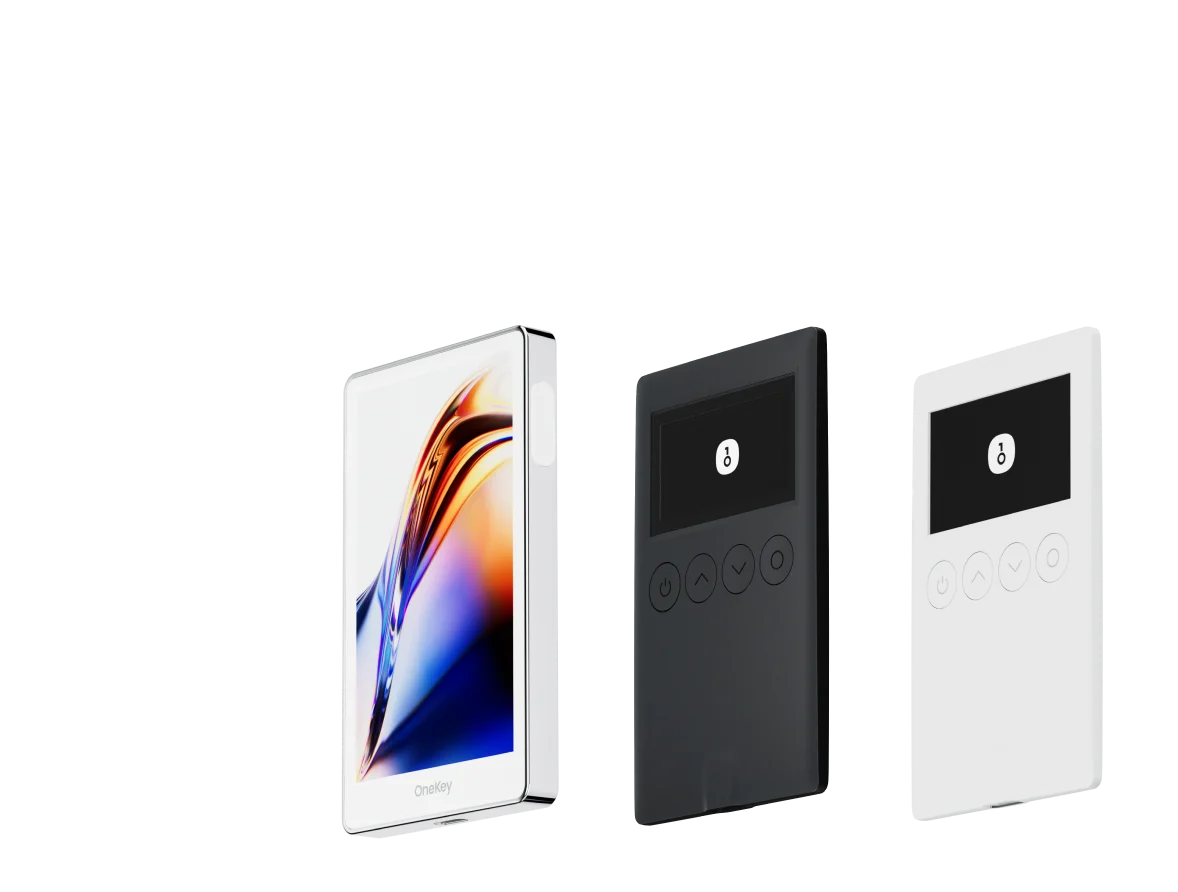
Download OneKey, create a new wallet or import an existing one, and switch to the Polygon network.
Step 2: Fund your Polygon address with USDC
Send USDC to your Polygon address. You can do this through a bridge or by withdrawing USDC directly to Polygon from an exchange that supports Polygon withdrawals.
Step 3: Connect to Polymarket
Open Polymarket, select Connect Wallet, choose WalletConnect, and approve the connection in OneKey. On mobile, you may be able to authorize directly from the OneKey app.
Step 4: Choose a market and place a trade
Browse available markets, pick an event you understand, choose a side such as Yes or No, enter the amount, and review the transaction. OneKey will show a signing prompt. Check the network, amount, and contract interaction before confirming.
Step 5: Wait for resolution
After the event concludes, the market will be resolved according to its rules. If your position is correct, proceeds are claimable or credited according to the platform’s settlement process.
5. How prediction market returns work — and the risks
Prediction market prices reflect the market’s collective estimate of an outcome. For example, if a “Yes” share trades at 0.40 USDC, the market is roughly pricing that outcome at 40%, before fees and other frictions. If you believe the true probability is higher than the market price implies, buying that side may have positive expected value.
However, this is not the same as guaranteed profit. Prediction markets carry several important risks:
- Resolution disputes: if an event is ambiguous, settlement may be delayed or contested.
- Liquidity risk: less popular markets may have wide bid-ask spreads, making entry and exit more expensive.
- Smart contract risk: bugs or vulnerabilities can lead to loss of funds, even when users follow the correct process.
- Regulatory risk: some jurisdictions may treat prediction markets as regulated gambling, derivatives, or financial activity. Users should understand local rules, including relevant frameworks such as EU MiCA where applicable.
6. Combining prediction markets with OneKey Perps
Prediction markets and perpetual futures can express related views in different ways.
For example, if you believe a major crypto-positive event is likely to happen, you might buy Yes on a prediction market and also open a related long position on ETH or BTC perps through OneKey Perps. This creates a more direct directional setup across both the event outcome and the underlying crypto asset.
The reverse is also possible: if you already have exposure through a prediction market, you may use OneKey Perps to hedge some market risk with a smaller opposing perp position.
This type of combined strategy is advanced. It can amplify both gains and losses, and the two positions may not move together as expected. Keep position sizes conservative, understand liquidation risk on perps, and avoid using leverage unless you fully understand how it works.
FAQ
Q1: Does Polymarket really require no KYC?
Polymarket is designed as a decentralized protocol where users connect a wallet to trade, without submitting identity documents to the protocol itself. However, frontends may restrict access based on jurisdiction or IP location. Smart contract rules and frontend access policies are not the same thing.
Q2: How are prediction market outcomes resolved?
It depends on the platform. Polymarket uses UMA’s decentralized dispute and oracle system. Augur uses REP token holder reporting and dispute processes. Reality.eth uses an escalation model based on bonded answers. If the outcome is clear, resolution may complete within hours to days after the event, but disputed markets can take longer.
Q3: Can the platform move or misuse my USDC?
In decentralized prediction markets, funds are generally locked in smart contracts rather than held in a platform-controlled account. The team cannot simply withdraw user funds like a centralized custodian. However, smart contract bugs, oracle issues, or malicious integrations can still create loss risk. Always verify you are using the correct site and contract flow.
Q4: How can I judge whether a prediction market is credible?
Check three things: whether the contracts have been audited by reputable firms, whether the resolution mechanism is decentralized rather than controlled by one team, and how past disputes were handled. Platforms such as Polymarket and Augur have public records of their resolution and dispute histories.
Q5: Can I act as a market maker?
On liquidity pool-based systems such as Azuro, users may be able to provide liquidity and earn from fees or pool performance. This is more advanced than simply buying Yes or No shares. You need to understand the platform’s profit-and-loss model, capital requirements, and downside risk before providing liquidity.
Conclusion: connect a wallet, but manage risk carefully
No-KYC decentralized prediction markets make it easier to participate in global event-based markets with a self-custody wallet. A practical starting workflow is to set up OneKey, fund your Polygon address with USDC, connect to Polymarket through WalletConnect, and start with small positions in markets you understand.
For users who also want crypto derivatives exposure, OneKey Perps offers a convenient way to trade perpetual contracts alongside prediction market positions. Use it as a flexible risk-management and directional trading tool — not as a shortcut to guaranteed returns.
Download OneKey, secure your wallet, and try OneKey Perps when you are ready to trade perps from a self-custody-first workflow.
Risk warning: This article is for informational purposes only and does not constitute investment, financial, legal, or gambling advice. Prediction markets and perpetual futures involve risk of loss, including resolution disputes, low liquidity, smart contract vulnerabilities, liquidation risk, and regulatory changes. Some jurisdictions regulate or restrict prediction markets. Do your own research and never risk funds you cannot afford to lose.