OKX Boost Launches Block Street (BSB) on X Launch: Share Over 5.35M Tokens in Rewards
OKX Boost Launches Block Street (BSB) on X Launch: Share Over 5.35M Tokens in Rewards
On March 20, 2026, BlockBeats reported that OKX Wallet has added Block Street (BSB) to OKX Boost via an X Launch campaign, with an incentive pool of over 5.35 million BSB tokens available to eligible participants. While reward mechanics can vary by region and campaign rules, the bigger signal is clear: wallet-native growth campaigns are becoming a mainstream distribution rail for early onchain projects, especially those targeting the rapidly expanding Real-World Assets (RWA) and onchain capital markets narrative.
Below, we’ll unpack what this launch may mean, why unified liquidity matters for tokenized markets, and how to approach these campaigns with a security-first mindset.
What OKX Boost and X Launch Are (and Why They Matter in 2026)
OKX Boost is OKX Wallet’s campaign layer designed to connect onchain users with emerging projects through activity-based incentives. In many X Launch-style campaigns, eligibility and reward share are determined by a mix of factors such as Boost volume, Boost balance, snapshots, and participation windows (always refer to the campaign page for the exact rules). For an overview of how Boost works, see OKX’s explainer: What is DEX Boost and how do I participate?
From an industry perspective, this format is increasingly popular because it aligns three interests:
- Projects get real users and liquidity discovery without relying solely on centralized listings.
- Users get structured exposure to early-stage protocols (often before broad market coverage).
- Wallets become distribution and discovery hubs, not just storage tools.
OKX has also positioned Boost as a “gateway to emerging projects” within its Web3 product suite: Announcement on OKX Boost Launch
Introducing Block Street (BSB): A Unified Liquidity Layer for Onchain Capital Markets
According to Block Street’s own documentation, Block Street is building a Unified Liquidity Layer aimed at making onchain capital markets work more efficiently by connecting fragmented liquidity across venues and protocols. You can read their positioning and architecture overview here: Block Street Executive Summary and Block Street Whitepaper
Why “unified liquidity” is a big deal
Tokenized assets (including tokenized funds, credit, and potentially equities-like instruments depending on jurisdiction and structure) often suffer from:
- fragmented order flow across chains and venues
- shallow liquidity at the tail end
- inconsistent execution quality (slippage, routing, MEV exposure)
- limited composability between “institutional-style” issuance and DeFi liquidity
A unified layer approach attempts to reduce fragmentation and make execution more reliable—an important prerequisite if tokenized markets want to attract larger, more sophisticated capital.
The Macro Tailwind: RWA Tokenization Keeps Scaling
Block Street’s narrative fits a broader 2025–2026 trend: RWA tokenization is no longer a niche corner of DeFi. Tokenized U.S. Treasuries, in particular, have become a core onchain “yield primitive” used by both crypto-native and institution-aligned players.
To track the sector with live market structure data, an excellent reference is RWA.xyz’s Tokenized Treasuries dashboard. For additional context on the growth story, CoinDesk has covered the rise of tokenized treasuries in prior cycles: Tokenized Treasuries Hit Record Market Cap
What users care about most right now:
- Is the yield sustainable and transparently backed?
- Can I exit efficiently (liquidity depth, market makers, routing)?
- Are the rules clear (compliance, transfer restrictions, jurisdiction constraints)?
Projects aiming to become “plumbing” for onchain capital markets are essentially betting that the next wave of growth comes from better market structure, not just new token launches.
How to Approach the BSB X Launch Campaign (Practical Checklist)
Because campaigns differ, treat this as a process, not a promise:
-
Verify the official campaign page inside OKX Wallet
Avoid lookalike sites and paid-search clones. Use only in-app navigation or official OKX domains. -
Read the snapshot and scoring logic
X Launch events typically involve a reference period (snapshot window) and a conversion table that maps activity to points. A generic example of how OKX describes X Launch mechanics can be found on an X Launch event page like OKX Wallet Boost X Launch (example event page) (check the BSB page for the real parameters). -
Check token details like chain and contract address
Confirm the chain and contract directly from official sources (project docs, verified social channels, or reputable explorers). Never rely on forwarded screenshots. -
Plan for network fees and timing
Claim windows can be short. If you wait until the final minutes, congestion and failed transactions can cost more than the reward is worth.
Security Notes: The Hidden Risks in Wallet-Based Reward Campaigns
Even when the campaign itself is legitimate, the surrounding attack surface grows fast:
- Phishing “claim” pages that mimic the UI
- Approval traps that request unlimited allowances
- Fake tokens with similar tickers (BSB clones)
- Malicious transactions disguised as “verification” steps
Minimum safe practice:
- Use a dedicated onchain address for campaigns (segregate funds).
- Revoke token approvals you no longer need.
- Never sign opaque messages or transactions you don’t understand.
- Treat DMs and “support” accounts as hostile by default.
Where OneKey Fits: Self-Custody That’s Built for High-Frequency Onchain Activity
If you participate in X Launch-style campaigns, you’ll likely be signing more transactions than usual—swaps, approvals, claims, and cross-chain interactions. This is exactly where a hardware wallet becomes practical risk management, not just “cold storage.”
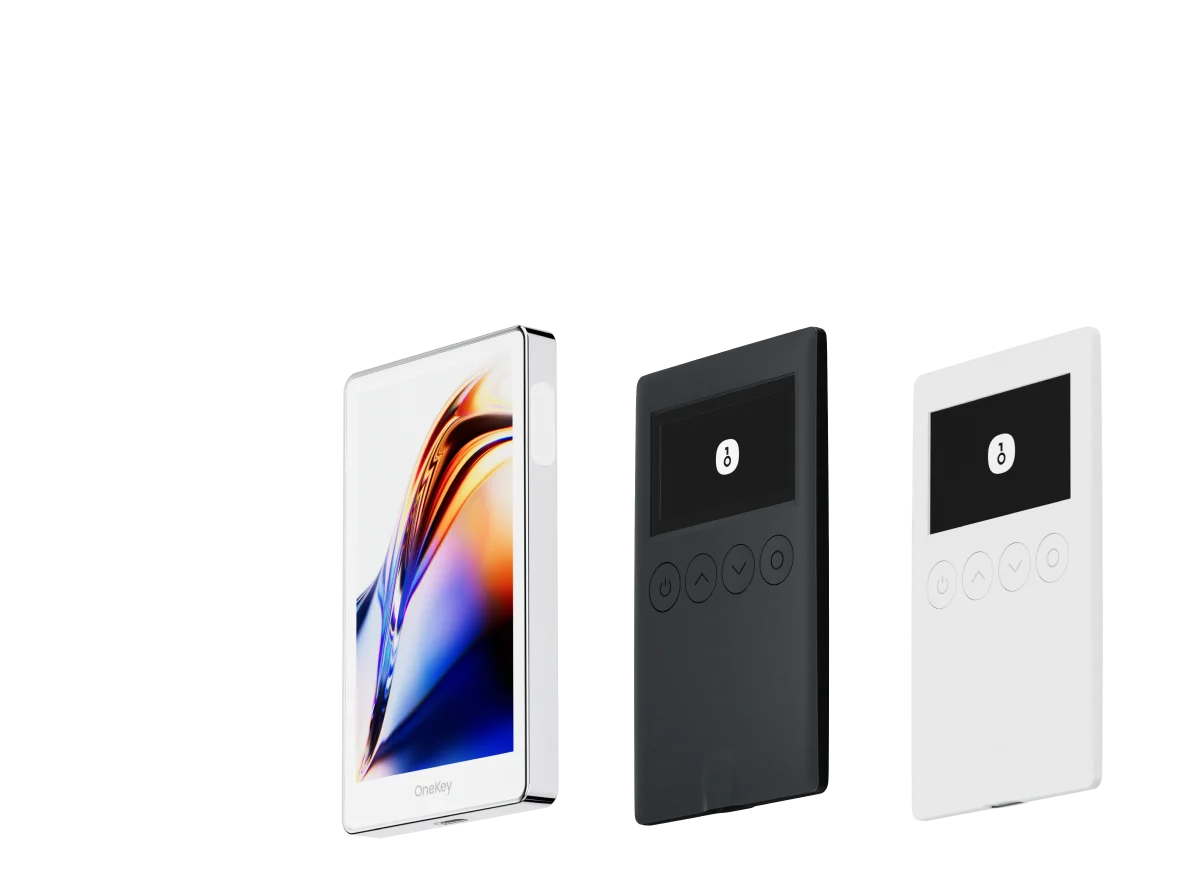
OneKey can help by keeping your private keys offline while still letting you interact with Web3 dApps and token claims. The key advantage in campaign-heavy periods is reducing the blast radius of:
- browser extension compromise
- clipboard hijacking
- malicious front-end injection
- accidental signing from a hot wallet holding your long-term assets
A simple operational pattern many experienced users adopt is: use a hot wallet for exploration, then move meaningful assets to a hardware wallet-controlled address before interacting at size.
Final Thoughts
The reported launch of Block Street (BSB) on OKX Boost’s X Launch is more than a token reward headline—it reflects how wallets are becoming primary distribution channels for early-stage infrastructure projects, especially in the accelerating onchain capital markets and RWA arena.
If you choose to participate, optimize for clarity and safety: understand the rules, verify contracts, and treat every signature as a security decision. And if your onchain activity is scaling with the market, consider pairing your workflow with a OneKey hardware wallet so that “earning opportunities” don’t quietly turn into “custody risk.”