OPG Token Deep Dive: Analyzing Future Development and Price Potential

The Web3 gaming landscape, often called GameFi, is rapidly evolving from a niche concept into a major sector of the blockchain industry. As players and investors seek the next frontier of interactive entertainment and digital ownership, platforms that facilitate this transition are gaining significant attention. One such project is OP Games, with its native utility token, OPG.
This deep dive offers a comprehensive cryptocurrency analysis of the OPG token, exploring its technology, market performance, and future roadmap to help you understand its potential trajectory.
What is OP Games and the OPG Token?
OP Games is building a multi-chain Web3 gaming platform designed to empower both developers and players. It aims to create an open and decentralized ecosystem for games, often described as a "Web3-native alternative to Steam," with a focus on community-owned gaming.
The platform provides tools and infrastructure for game developers to easily integrate blockchain features like NFTs and tokens into their creations. For players, it offers a hub to discover new games, compete in tournaments, and truly own their in-game assets.
The OPG token is the cornerstone of this ecosystem, designed with several key utilities:
- Governance: OPG holders can participate in the governance of the OP Games DAO (Decentralized Autonomous Organization), influencing the platform's future development and policies.
- Staking: Users can stake OPG tokens to earn rewards and contribute to the network's security and stability.
- Payments & Tournaments: The token is used for tournament entry fees and prize pools, creating a circular economy within the platform.
- Game Curation: Token holders can help curate the games that are featured on the platform, ensuring quality and community alignment.
Technical Analysis & Tokenomics
Understanding the technical foundation and economic model of a token is crucial for evaluating its long-term viability.
The Technology Stack
OP Games is built with a multi-chain vision to overcome the scalability and cost challenges of a single blockchain. Initially leveraging networks like Ethereum and Polygon, the architecture is designed for interoperability, allowing games and assets to exist across different chains. This approach significantly lowers the barrier to entry for both developers dealing with gas fees and players seeking a seamless gaming experience. The platform primarily focuses on supporting HTML5 games, which enables easy access through web browsers without requiring hefty downloads.
OPG Tokenomics
A project's tokenomics can reveal much about its long-term potential and incentive structures. According to its data on platforms like CoinGecko, the OPG token has a defined total supply, which helps protect against inflation.
The distribution is typically allocated across key areas:
- Ecosystem Fund: To incentivize developers, fund tournaments, and grow the community.
- Team & Advisors: Vested over time to ensure long-term commitment.
- Staking Rewards: To reward users who help secure the network.
- Public & Private Sales: To raise initial capital for development.
A well-structured vesting schedule for team and investor tokens is a positive sign, as it aligns their interests with the long-term success of the project rather than short-term price action.
Market Performance Review
The OPG token's market performance has been reflective of both its own project milestones and the broader crypto market sentiment. Like many altcoins, especially those in the GameFi sector, its price has experienced significant volatility.
Analyzing its price chart reveals periods of upward momentum, often correlated with platform updates, new game announcements, or strategic partnerships. Conversely, during broader market downturns, OPG has seen price corrections. This behavior is typical for a micro-cap token whose value is closely tied to its project's execution and the speculative nature of the crypto market. For potential investors, it's important to look beyond short-term fluctuations and focus on the growth of the underlying platform's user base and developer activity.
Future Development and Roadmap
A project's roadmap is its promise to the community, outlining the path to achieving its long-term vision. The token future of OPG is intrinsically linked to the successful execution of the OP Games roadmap. Key areas of focus for the future often include:
- Expansion of the Game Library: The primary driver of growth will be the continuous onboarding of high-quality, engaging games. The platform's success hinges on becoming a go-to destination for Web3 gamers.
- Launchpad for Creators: Developing a launchpad for game creators would provide a full-suite service for new projects, from funding and development to marketing and community building, attracting top-tier talent to the ecosystem.
- Enhanced Tournament Features: As a core utility of the OPG token, building out a robust and engaging tournament system is critical for driving token velocity and user engagement.
- Cross-Chain Interoperability: Furthering its multi-chain capabilities will be essential to tap into different blockchain communities and offer users more flexibility.
The growth of the overall GameFi market, which continues to attract significant investment and user interest, provides a favorable tailwind for platforms like OP Games. According to a DappRadar and BGA Games report, Web3 games and metaverse projects raised $288 million in Q1 2024 alone, signaling sustained confidence in the sector.
OPG Price Prediction and Outlook
Predicting the exact price of any cryptocurrency is challenging, but we can analyze the factors that could influence its direction. Instead of a single price prediction, it's more useful to consider potential bullish and bearish scenarios.
Bullish Factors
- Strong Execution: If the OP Games team successfully delivers on its roadmap, especially in attracting compelling games and a large player base, the demand for the OPG token should increase.
- GameFi Market Growth: A broader bull market in crypto, particularly a renewed hype cycle around GameFi, would likely lift all boats, including OPG.
- Strategic Partnerships: Collaborations with major gaming guilds, blockchains, or influencers could bring significant visibility and new users to the platform.
- DAO Activation: Active and effective community governance through the DAO can lead to better decision-making and a more resilient ecosystem.
Bearish Factors
- Fierce Competition: The Web3 gaming space is crowded with many platforms and launchpads competing for the same developers and players.
- Market Downturns: A prolonged bear market can drain liquidity and speculative interest from smaller-cap projects like OPG.
- Execution Risk: Delays in the roadmap or failure to attract high-quality games could lead to a loss of confidence from the community and investors.
Ultimately, the long-term value of OPG will be a direct reflection of the value and utility of the OP Games platform.
Securing Your OPG and Other GameFi Assets
As you explore the potential of OPG and dive deeper into the GameFi ecosystem, the security of your digital assets becomes paramount. Managing a diverse portfolio of tokens and NFTs across different chains can be complex and risky if left on exchanges or in software wallets.
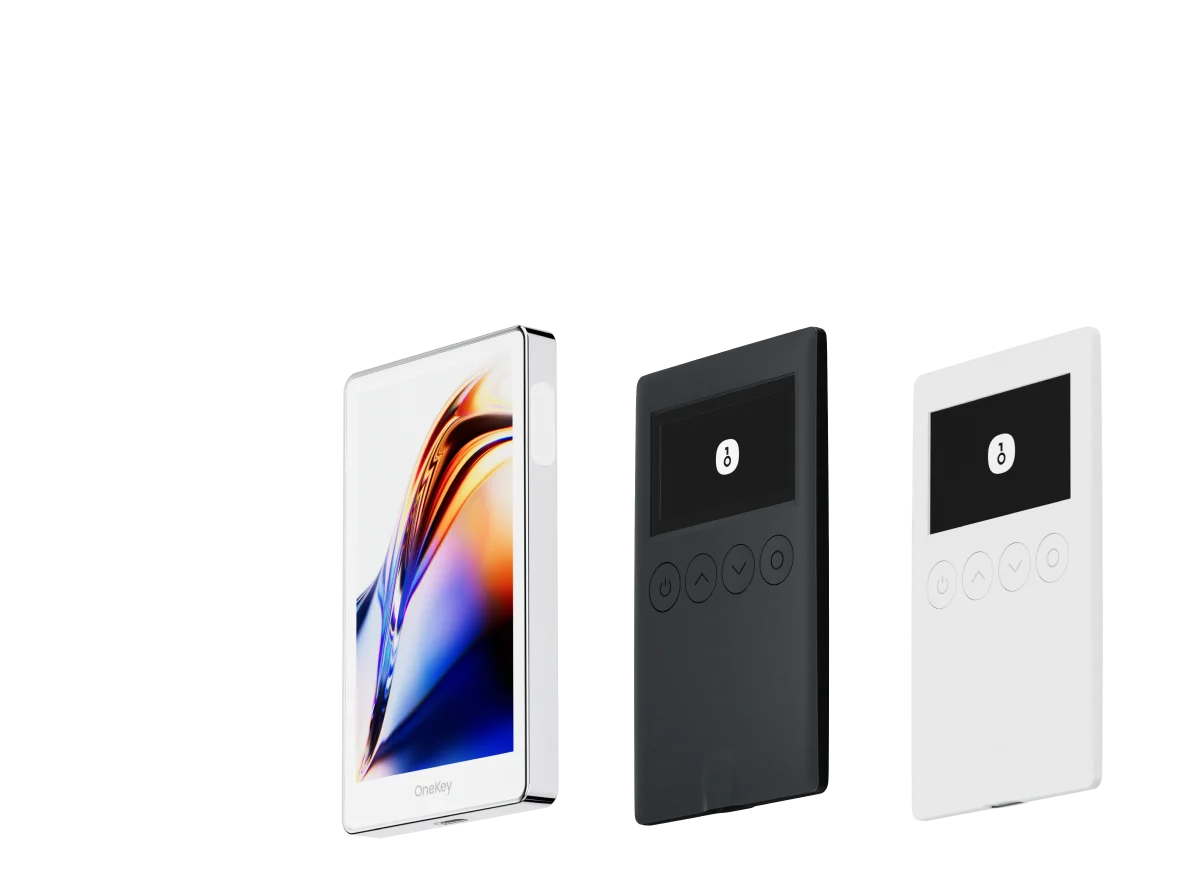
This is where a hardware wallet like the OneKey wallet provides an essential layer of security. By keeping your private keys offline, it protects your assets from online threats like phishing attacks and malware. With its support for a vast range of blockchains, including Ethereum and Polygon, you can securely manage your OPG tokens alongside all your other crypto assets in one place. The user-friendly interface of the OneKey App makes it easy to navigate your portfolio, while its open-source foundation ensures transparency and trust.
Whether you're a gamer earning your first NFT or an investor building a position in promising GameFi projects, securing your assets is the most important move you can make.