Upbit to Add CTR Trading in BTC and USDT Markets
Upbit to Add CTR Trading in BTC and USDT Markets
Upbit has announced that it will add CTR trading with BTC and USDT quote pairs, expanding access to the asset for traders who prefer crypto-to-crypto markets over fiat rails. For the latest status and operational details (such as deposit/withdrawal timing, supported networks, and any temporary trading limits), users should monitor the official Upbit notices page.
This kind of exchange listing often becomes a short-term liquidity catalyst—but it also introduces familiar risks around volatility, congestion, and ticker / contract confusion. Below is a practical breakdown of what the listing may mean, why BTC and USDT pairs matter, and how to prepare if you plan to trade or custody CTR.
Why BTC and USDT Pairs Matter on Upbit
On Upbit, BTC Market and USDT Market listings are more than just “extra pairs”:
- More global price discovery: A USDT pair typically anchors CTR to a widely referenced stablecoin price, making it easier to compare across exchanges and on-chain venues.
- Better routing flexibility: Traders can rotate between BTC and stablecoin exposure without needing to touch KRW, which can matter during fast market moves.
- Cross-market execution dynamics: Upbit has publicly described how its BTC and USDT markets work and how they may involve cross-trading with affiliated venues in certain cases—worth understanding before placing large orders. See Upbit’s explainer on KRW vs BTC vs USDT markets.
For CTR specifically, BTC and USDT pairs can attract different types of flow: BTC pairs often reflect broader “altcoin vs BTC” sentiment, while USDT pairs tend to be favored for directional trading and clearer PnL accounting.
What Is CTR? Confirm the Asset Before You Act
“CTR” is a short ticker, and short tickers historically come with impersonation and misidentification risk—especially during high-attention events like major listings.
To reduce mistakes, verify CTR via reputable asset pages and the project’s official site:
- Citrea (CTR) on CoinGecko (useful for contract references, market listings, and basic metrics)
- Citrea (CTR) on CoinMarketCap (helpful for market data and exchange coverage)
- Citrea official website (for canonical project links and documentation)
If/when Upbit enables deposits, always cross-check the network and contract address shown in the exchange UI/notice against the above references. Avoid relying on social posts or forwarded screenshots.
How Exchange Listings Typically Affect Liquidity (and Volatility)
A new Upbit listing can change CTR’s market structure quickly:
- Liquidity step-change: Additional centralized exchange order books often improve depth, but early order books may still be thin, with wider spreads at launch.
- Short-term volatility spikes: Initial listing windows frequently see sharp moves driven by market orders, delayed arbitrage, and rapid sentiment shifts.
- Faster narrative repricing: CTR’s positioning in the Bitcoin scaling / Bitcoin application layer narrative can amplify flows, especially when Bitcoin L2 and rollup discussions remain a top theme across the industry.
Practical takeaway: if you trade the listing, consider using limit orders and sizing for slippage. If you invest longer-term, focus more on custody safety and execution discipline than on the first-hour candle.
User Checklist: Before Trading CTR on Upbit
Here’s a simple pre-trade checklist tailored to new exchange listings:
- Read the notice details end-to-end: confirm the exact pairs (CTR/BTC, CTR/USDT), plus any opening schedule or temporary restrictions on order types.
- Verify deposit/withdrawal readiness: many listings open trading before withdrawals stabilize, or deposits may be delayed until network checks complete.
- Double-check token identifiers: use contract/address references from CoinGecko or the official project site to avoid sending funds to the wrong asset.
- Understand Upbit’s listing and monitoring posture: Upbit publishes a framework describing how it evaluates and monitors supported assets—useful context for risk management. See Upbit’s market support checklist (PDF).
Custody Note: Don’t Leave Large Balances on an Exchange
If you plan to hold CTR beyond short-term trading, consider moving assets to self-custody once withdrawals are available and stable.
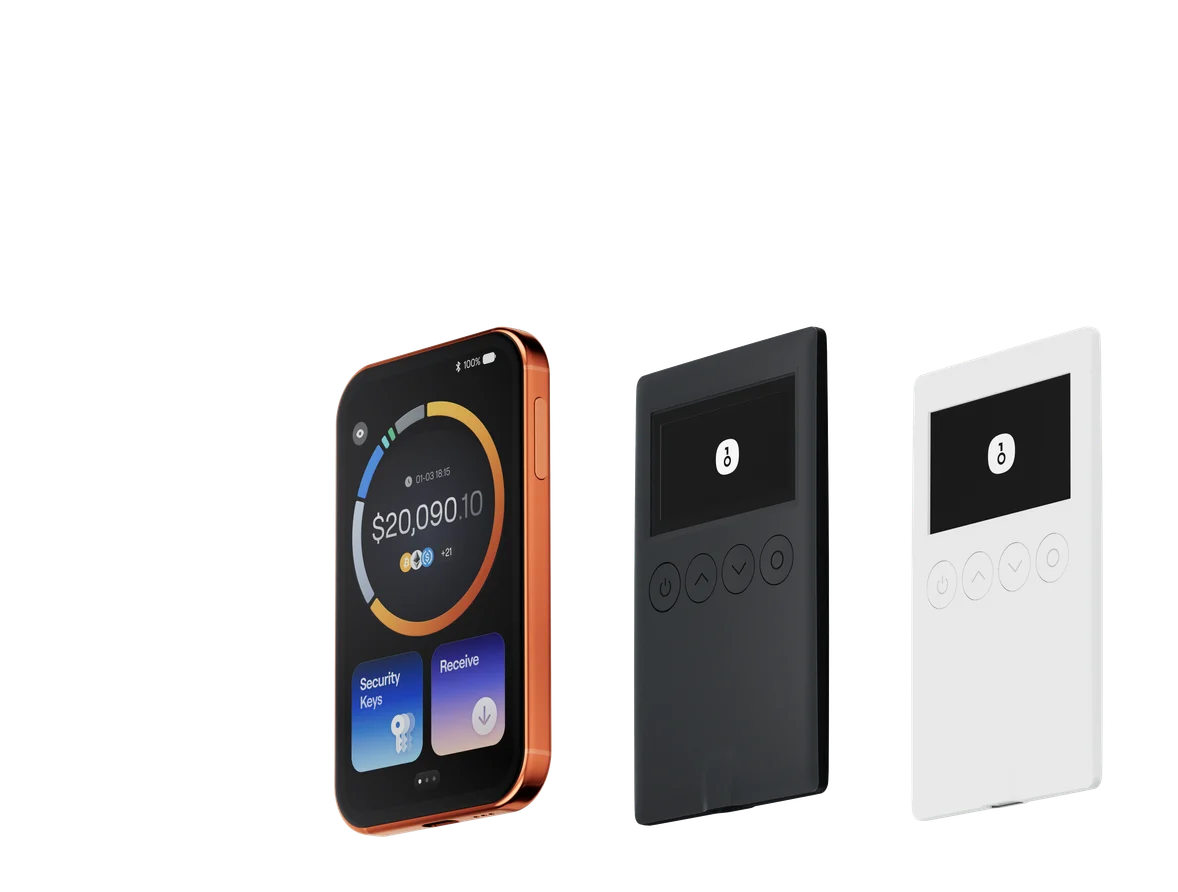
A hardware wallet can reduce exchange counterparty exposure and phishing risk. OneKey is designed for self-custody with strong security boundaries and a smooth transaction signing experience, which is especially relevant during high-noise periods (like listings) when fake links and impersonation attempts tend to rise.
As always: verify the receiving network, confirm addresses on-device, and do a small test transfer before moving larger amounts.
Closing Thoughts
Upbit adding CTR BTC and CTR USDT trading pairs is a meaningful distribution milestone that may improve liquidity and visibility for the asset—while also raising the stakes for execution quality and operational security. If you participate, treat the first day as a risk event: verify the asset, expect volatility, and prioritize custody hygiene over speed.